Tire Sidewall Cracking Chart: What Causes It and How to Prevent It
Tires are one of the most critical components of your vehicle, ensuring safety, comfort, and performance. Yet, many drivers overlook the condition of tire sidewalls, which can reveal early signs of aging or damage. A tire sidewall cracking chart is a useful tool to understand tire wear and deterioration patterns. This guide explains why sidewall cracks appear, what they indicate, and how to prevent them.
Understanding Tire Sidewall Cracking
Tire sidewalls are the outer edges of your tire, connecting the tread to the bead. They are made from flexible rubber compounds designed to absorb shocks, maintain shape, and resist environmental damage. However, over time, these materials can deteriorate.
H3: What Is Tire Sidewall Cracking?
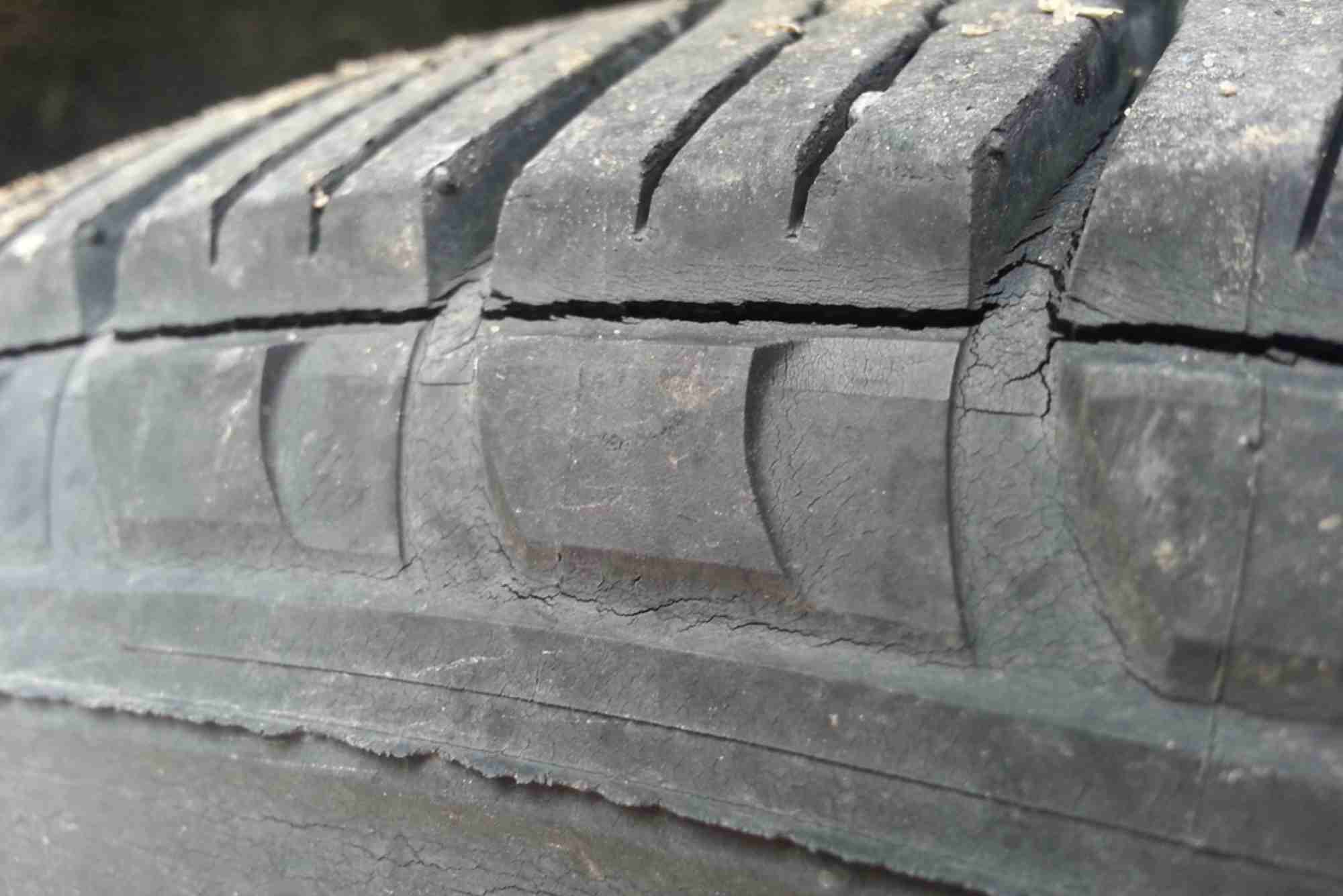
Tire sidewall cracking refers to small lines, splits, or fissures appearing on the rubber surface. These cracks can be superficial or deep. Superficial cracks may not immediately affect safety, but deep cracks can weaken the tire structure, increasing the risk of blowouts.
H3: Why a Tire Sidewall Cracking Chart Matters
A tire sidewall cracking chart helps drivers assess the severity of cracking. By visually comparing your tire to chart examples, you can determine whether a tire is safe, needs maintenance, or requires replacement.
Common Causes of Tire Sidewall Cracking
Understanding the causes of sidewall cracking is key to prevention.
Age of the Tire
Rubber naturally degrades over time. Even if tires are rarely used, aging can lead to cracks. Most manufacturers recommend replacing tires every 6–10 years.

UV Exposure and Ozone Damage
Prolonged exposure to sunlight and ozone can dry out rubber compounds. This results in surface cracks, especially in tires parked outdoors without protection.
Improper Inflation
Both underinflation and overinflation increase stress on tire sidewalls. Underinflated tires flex excessively, while overinflated tires become rigid, making cracks more likely.
Harsh Driving Conditions
Frequent driving on rough roads, potholes, or debris can physically damage sidewalls. Even minor impacts accumulate stress over time, causing cracks.
Poor Maintenance and Chemicals
Exposure to oils, gasoline, or harsh cleaning chemicals can weaken rubber compounds. Lack of regular inspections can allow small cracks to grow unnoticed.
How to Read a Tire Sidewall Cracking Chart
A tire sidewall cracking chart is often divided into stages or severity levels:
Stage 1 – Light Cracking
- Fine lines appear on the surface
- No structural weakness detected
- Tires remain safe with regular monitoring
Stage 2 – Moderate Cracking
- Cracks deepen slightly
- Potential for reduced tire flexibility
- Replacement may be recommended in a few months
Stage 3 – Severe Cracking
- Deep cracks reaching the inner layers
- Risk of blowouts increases significantly
- Immediate tire replacement is necessary
By comparing your tires to the chart, you can make informed maintenance decisions.
Preventing Tire Sidewall Cracks
Prevention is always better than repair. Here are effective strategies:
Regular Inspections
- Check tires monthly for cracks, bulges, or uneven wear
- Use a flashlight to spot early signs of cracking
Proper Inflation
- Maintain manufacturer-recommended tire pressure
- Use a reliable tire gauge to check regularly
Limit UV and Ozone Exposure
- Park in shaded areas or garages
- Consider tire covers for long-term outdoor parking
Gentle Cleaning
- Avoid harsh chemicals or petroleum-based cleaners
- Use mild soap and water with soft brushes
Rotate Tires Regularly
- Rotating tires distributes wear evenly
- Helps prevent localized stress and cracking
Replace Old Tires
- Even if tread looks fine, age-related cracking may exist
- Check manufacturing date on the tire sidewall
Signs Your Tire Needs Replacement
Even with preventive care, cracks may appear. Replace tires if you notice:
- Deep, visible sidewall cracks
- Bulging or separation in the rubber
- Unusual vibration while driving
- Air loss despite proper inflation
Using a tire sidewall cracking chart helps you identify these warning signs early.
FAQs
Q1: Can tire sidewall cracks be repaired?
No, cracks on sidewalls cannot be safely repaired. Replacement is the safest option.
Q2: How often should I check for sidewall cracks?
Monthly inspections are ideal, especially for older tires or vehicles parked outdoors.
Q3: Does tire brand affect cracking?
Yes, premium tires often use better rubber compounds that resist cracking longer than budget options.
Q4: Are cracks dangerous if they are small?
Small cracks are usually cosmetic, but they indicate aging. Monitor them and replace tires if cracks deepen.
Q5: How do I find the tire manufacturing date?
Look for the DOT code on the sidewall. The last four digits indicate the week and year of production.
A tire sidewall cracking chart is an essential tool for vehicle safety. Regular inspection, proper maintenance, and understanding the causes of cracking can significantly extend your tires’ life and protect you on the road. Don’t wait for visible damage to escalate — check your tires today and take preventive action.