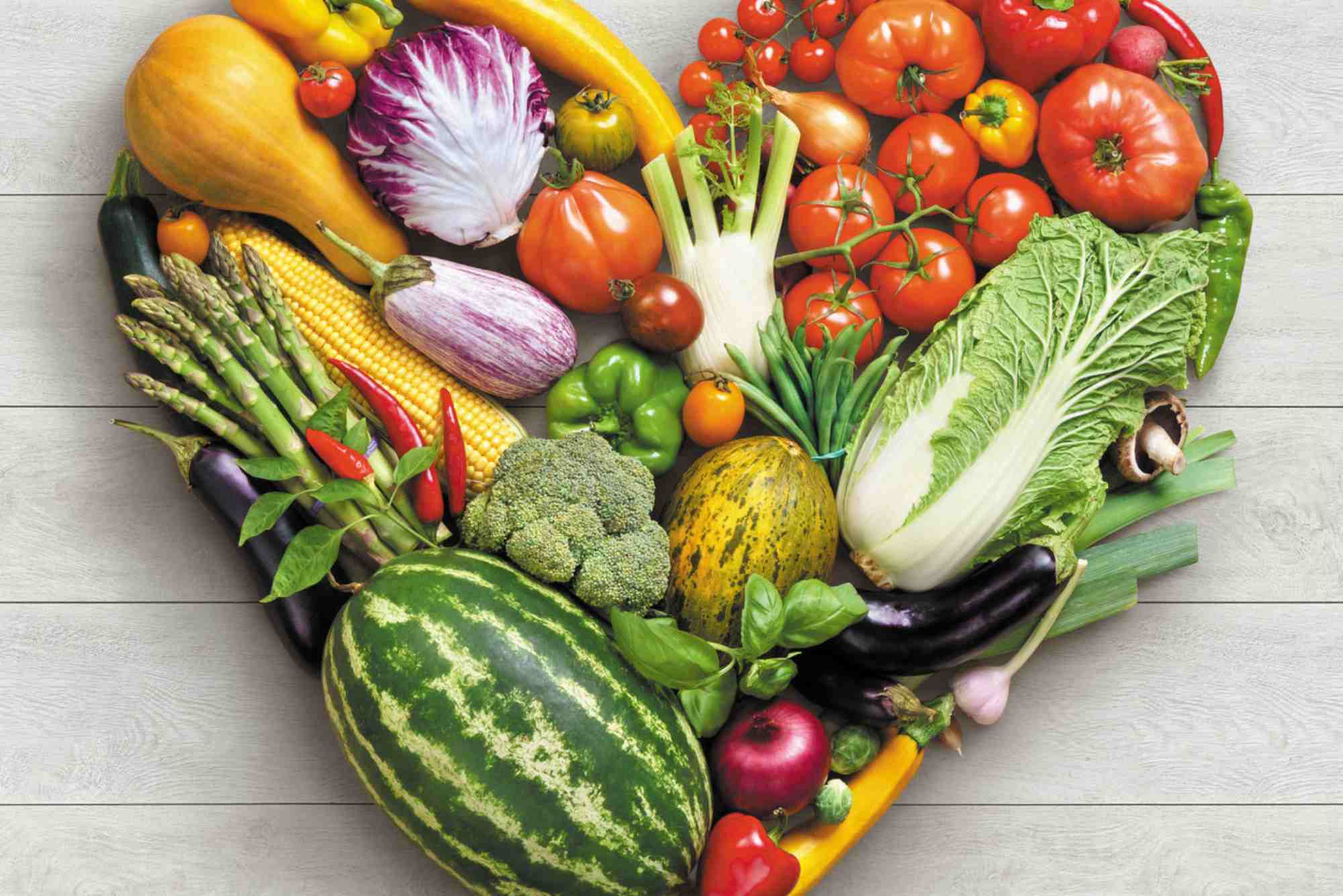
Food From Plants Worksheet – Learning for Young Students
Understanding where food comes from is one of the first lessons children encounter in science. One of the most engaging ways to teach this concept is through a food from plants worksheet. These worksheets help young students identify, categorize, and understand the plant-based foods they see and eat every day. From colorful fruits and leafy greens to nuts and grains, the plant kingdom provides an exciting, educational playground for children.
In this article, we’ll dive into the benefits, content, and structure of food from plants worksheets, along with tips to make learning both informative and enjoyable for early learners. Whether you’re a teacher, homeschooling parent, or curriculum designer, this resource will help you make plant-based food learning fun and meaningful.
Why Teach Kids About Food from Plants?
Introducing children to the idea that food doesn’t just appear in grocery stores but comes from plants nurtures a better understanding of the world. Learning this early can build lifelong habits of curiosity, healthy eating, and environmental awareness.
A food from plants worksheet serves as a perfect tool for this lesson because it is visual, interactive, and age-appropriate. Children engage better when they can match pictures, draw, color, or label different types of food.
Builds Recognition Skills
Children begin to recognize that apples grow on trees, carrots come from underground, and rice is harvested from tall grasses. Visual representation in worksheets helps them retain this information better.
Encourages Healthy Eating Habits
When students understand how fruits and vegetables grow, they become more interested in trying them. Associating positive, fun experiences with plant foods promotes healthier food choices.

Supports Early Science Education
These worksheets tie into early science concepts like living things, plant life cycles, and food sources. They also help build vocabulary with words like “stem,” “root,” “leaf,” and “grain.”
What Should a Food From Plants Worksheet Include?
For a worksheet to be effective, it should combine information with activity. It should offer visual cues and interactive elements suited to young children’s learning levels.
Pictures of Plant-Based Foods
Children often learn best with images. A great worksheet will include high-quality pictures of common plant foods like bananas, spinach, wheat, and beans.
Labeling Exercises
One of the most basic activities is matching the plant part (root, stem, leaf, fruit, seed, or flower) to the correct food item. For example, labeling carrots as roots or spinach as leaves strengthens retention.
Sorting and Categorizing
Children can be asked to sort foods into different plant part categories. This strengthens critical thinking and observation skills.
Fill-in-the-Blanks or Matching Tasks
These keep students engaged. An example could be: “A potato is a ____” (Answer: stem). These tasks help reinforce plant anatomy and its link to what we eat.
Fun Coloring Sections
Coloring fruits, vegetables, and plant parts makes the worksheet enjoyable. It also improves focus and hand-eye coordination.
Types of Foods That Come From Plants
To give students a complete picture, your worksheet should include examples of each type of plant food.
Fruits
These are often the easiest for kids to identify—mangoes, oranges, grapes, and apples. Including exotic and familiar fruits makes learning more interesting.
Vegetables
Break them down by plant part:
- Roots: carrots, beets, radishes
- Stems: sugarcane, asparagus
- Leaves: spinach, lettuce
- Flowers: broccoli, cauliflower
Seeds and Grains
These include foods like rice, wheat, corn, peas, and beans. Worksheets can include images of cooked and raw forms for better understanding.
Nuts
Though not always easy to classify, nuts like almonds and cashews can also be included. This teaches kids about seeds in a broader context.
Oils and Beverages
Plant-based oils like sunflower oil and beverages like coconut water or orange juice can be mentioned to show food processing.
Making the Most of Food From Plants Worksheets
Simply handing out a worksheet is not enough. Use teaching strategies that maximize its impact.
Use Guided Discussion
Talk to students about their favorite foods and link them to plant sources. This creates a personal connection and improves recall.
Include a Story Element
Storytelling can enhance attention. For instance, create a story about “Sunny the Sunflower” who provides seeds that become oil or snacks.
Add Hands-On Activities
Bring actual fruits, vegetables, and seeds to class. Let kids touch, smell, and even taste some of them. Then they can complete the worksheet using real-life examples.
Reinforce with Videos or Songs
There are many educational videos and songs about food from plants. Use them as warm-up or wrap-up activities to complement worksheet learning.
Benefits of Plant-Based Food Education at an Early Age
Using a food from plants worksheet is more than just a classroom activity—it sets the foundation for greater awareness.
Builds Connection with Nature
Children who understand plant growth and food sources are more likely to respect the environment and care about sustainability.
Promotes Better Food Choices
Kids exposed to plant-based learning often prefer fruits and vegetables, especially when they help pick, cook, or identify them.
Encourages Critical Thinking
Sorting, matching, and categorizing food items stimulate logical thinking and problem-solving skills in young learners.
Recommended Worksheet Formats by Grade Level
Your worksheet design should match the developmental stage of your students.
Preschool to Kindergarten
Use bold images, coloring sections, and simple matching games. Minimal text ensures better comprehension.
Grade 1–2
Incorporate labeling, sorting, and basic fill-in-the-blank tasks. Use both images and words to aid understanding.
Grade 3–4
Add more detail. Introduce terms like “photosynthesis” or “harvest” in a simple way. Include diagrams showing how a plant grows into food.
How to Design or Find Quality Worksheets
If you’re making your own, keep visuals simple and appealing. Choose large fonts and avoid clutter.
You can also find free or paid worksheets on educational websites like Teachers Pay Teachers, Twinkl, and Education.com. Search for the food from plants worksheet keyword to find relevant resources.
Frequently Asked Questions
What is a food from plants worksheet?
A food from plants worksheet is a learning tool that helps students identify foods that come from different parts of plants such as roots, stems, leaves, and fruits.
Why is it important to teach kids about plant-based foods?
It promotes healthier eating, supports environmental awareness, and lays a foundation for basic science education.
Which foods should be included in a food from plants worksheet?
Fruits, vegetables, grains, seeds, nuts, and plant-based oils or juices should be included to provide a complete learning experience.
Are food from plants worksheets suitable for preschoolers?
Yes, as long as they include simple images, coloring sections, and minimal text, making them age-appropriate and engaging.
Where can I find free food from plants worksheets?
Educational sites like Twinkl, Education.com, and Pinterest offer free resources. Just search using the keyword “food from plants worksheet.”