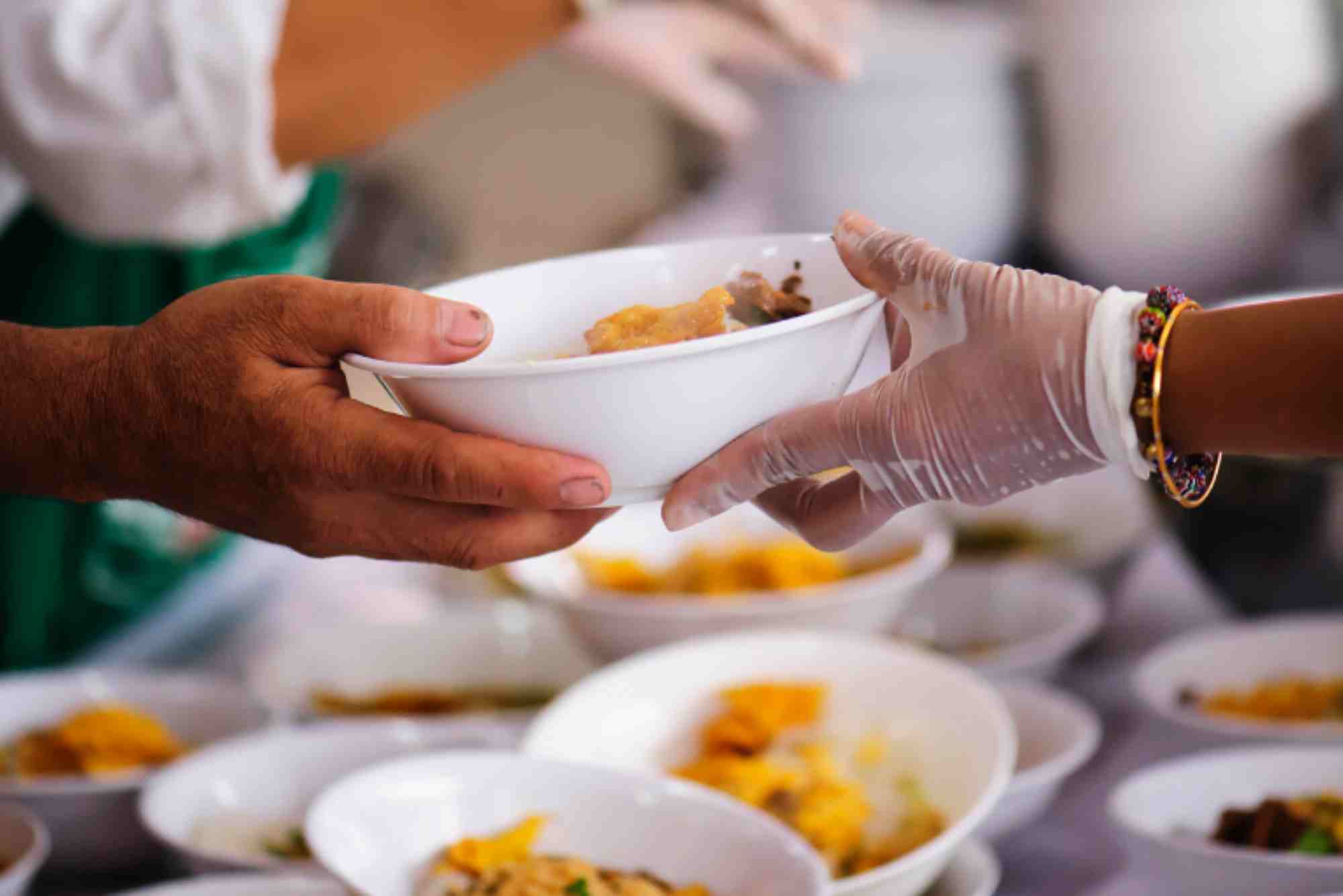
Free Clipart Illustrations on Food Insecurity Awareness
Food insecurity is a growing global issue, affecting millions of people each day. Whether it’s a child skipping meals or a family choosing between food and bills, the problem is deeply personal and widespread. When it comes to spreading awareness, visual communication is powerful—and that’s where food insecurity clipart comes into play.
Free clipart related to food insecurity helps educators, activists, and nonprofits amplify their message visually. Whether you’re creating posters, presentations, or social media content, having the right image can make your audience stop and think.
In this article, we’ll explore the role of food insecurity clipart in advocacy, where to find high-quality free illustrations, and how to use them ethically and effectively.
Why Food Insecurity Awareness Needs Visuals
The Emotional Power of Images
Images speak faster than words. A single illustration showing an empty plate or a hungry child can evoke empathy more quickly than a paragraph of statistics. Clipart may seem simple, but when designed thoughtfully, it can communicate urgency, hope, and action in a relatable way.
Increasing Engagement in Campaigns
When awareness campaigns include visuals, engagement tends to rise. People are more likely to share, comment, or remember content that includes images. Food insecurity clipart can be used in:
- Social media posts to spread facts and figures
- Classroom materials to teach students about hunger
- Flyers for donation drives or food banks
Visuals serve as a bridge between information and action, making them crucial tools in hunger awareness efforts.

What Makes Good Food Insecurity Clipart?
Not all illustrations are equally effective. A good food insecurity clipart image should be:
Simple and Clear
The best clipart avoids clutter. It focuses on one or two central ideas: a bowl with no food, a child looking at an empty fridge, or a family sharing a small meal. These ideas are easy to grasp even from a distance or at thumbnail size.
Emotionally Resonant
Clipart doesn’t need to be cartoonish. Even in simple form, it should convey emotion—whether sadness, struggle, resilience, or hope. The style should match the tone of the campaign or lesson.
Ethically Designed
Avoid using stereotypes or overly dramatic images. Respect the dignity of those facing food insecurity. Choose clipart that highlights the issue without exploiting suffering.
Where to Find Free Food Insecurity Clipart
OpenClipart
A well-known source for public domain illustrations, OpenClipart offers a variety of food-related images. Search for keywords like “empty plate,” “sad child,” or “food donation.”
Pixabay
Pixabay provides high-quality, royalty-free vector images. It’s great for food insecurity clipart with a more modern or professional style. Their generous license allows for use in educational and commercial projects without attribution.
Freepik (Free Tier)
While Freepik also offers premium content, its free tier includes plenty of clipart relevant to food insecurity. Use filters to find icons, illustrations, and infographics that suit your needs. Be sure to check licensing terms before using it commercially.
Vecteezy
Vecteezy includes free vector clipart with a license suitable for non-commercial projects. It’s perfect for creating classroom visuals or awareness posters.
The Noun Project
This resource is full of simple, minimalist icons, including those related to hunger, food aid, and community service. Icons are ideal for infographics or apps and are available under Creative Commons licenses.
How to Use Food Insecurity Clipart Responsibly
Using clipart in awareness materials isn’t just about picking a good image. It’s also about context, respect, and intention.
Match the Tone of Your Message
An image of a cartoon character with a sad face may work in a third-grade classroom. It might not suit a government report or a nonprofit’s donor appeal. Choose clipart that aligns with your target audience and message tone.
Include Contextual Information
Never use clipart alone. Always include supporting text that explains the issue and encourages action. For example, a poster might show an empty lunchbox with the line: “1 in 5 children in our city go to school hungry.”
Credit the Source
Even when clipart is free, it’s often good practice to credit the artist or platform, especially if the license requires it. This shows respect and encourages ethical use of digital content.
Who Uses Food Insecurity Clipart?
Clipart on food insecurity isn’t just for designers. It serves a wide audience, including:
Teachers and Educators
In schools, food insecurity clipart helps kids understand global and local hunger issues. It’s useful for lesson plans, student projects, and classroom posters.
Nonprofits and Activists
Organizations use clipart in newsletters, fundraising events, and social media campaigns. It keeps their message strong without needing a big design budget.
Journalists and Bloggers
Writers discussing poverty, food banks, or hunger relief efforts often need royalty-free visuals. Clipart offers a quick, budget-friendly solution.
Health and Nutrition Professionals
Health educators use food insecurity clipart in workshops or outreach programs to show the impact of nutrition gaps or highlight community resources.
Best Practices for Incorporating Clipart in Content
Combine with Real Photos for Impact
Use clipart alongside real images to balance emotional tone and storytelling. Clipart can simplify a concept, while photos ground it in reality.
Use Color Strategically
Colors evoke emotions. Warm tones can suggest community and hope. Cool or dark tones can highlight the seriousness of hunger. Think about what you’re trying to convey when selecting or editing clipart.
Avoid Overuse
A well-placed image can emphasize your message. Too many can distract. Use clipart selectively to highlight key points rather than decorate the page.
The Role of Clipart in Social Change
It might seem like a small thing, but clipart can be part of meaningful change. By helping people understand the issue, by prompting conversations, or by encouraging donations and action, these visuals become tools of transformation.
Food insecurity clipart can ignite awareness in a classroom, spur donations on Instagram, or bring clarity to a confusing policy report. The simplicity of these images hides their power—they make complex problems understandable.
FAQs
What is food insecurity clipart used for?
Food insecurity clipart is used to raise awareness in educational content, nonprofit campaigns, presentations, and social media posts.
Can I use food insecurity clipart for commercial use?
Yes, but only if the clipart’s license allows it. Always check the terms of use on the site where you downloaded the image.
Where can I get free food insecurity illustrations?
You can find them on platforms like OpenClipart, Pixabay, Freepik, and Vecteezy. Ensure they are labeled for free or public domain use.
Is clipart effective for awareness campaigns?
Yes. Clipart simplifies complex messages and makes them more accessible to a wide audience, especially when paired with facts or calls to action.
How do I ensure ethical use of food insecurity visuals?
Avoid using exaggerated or offensive depictions. Focus on respect, dignity, and authentic representation. Provide proper context and source credit.