When to Check the Engine Oil for Accurate Results: Best Practices
Knowing when to check the engine oil for accurate results is one of the simplest yet most crucial habits for maintaining your vehicle’s health. Engine oil is the lifeblood of your car. It lubricates moving parts, prevents overheating, reduces wear, and ensures efficient performance. However, even the best oil cannot perform its job if it’s not at the right level or has degraded over time. Understanding exactly when and how to check your engine oil ensures your readings are accurate and your engine remains protected from damage.
Why Checking Engine Oil Accurately Matters
Checking the oil level correctly ensures your car engine receives proper lubrication. If you check it under the wrong conditions, such as when the engine is hot or when the vehicle is parked on an uneven surface, the results may be misleading. Inaccurate readings can lead to overfilling or running on low oil levels, both of which can harm your engine. Regular and accurate oil checks help detect early signs of leaks or oil burning, saving you from costly repairs.
For Accurate Results, Check the Engine Oil When Engine Is
The most accurate time to check the engine oil is when the engine is warm but turned off and the vehicle is parked on a level surface. This allows the oil to settle in the oil pan, giving you a true reading of how much oil remains in the system. If you check the oil immediately after driving, some oil will still be circulating in the engine, leading to an artificially low reading. On the other hand, checking a cold engine can also be misleading because the oil may have thickened and not yet fully settled. The optimal condition is to let the car sit for about five to ten minutes after turning off the engine, allowing the oil to drain back into the pan.
Understanding How Engine Temperature Affects Oil Readings
Oil expands when it’s hot and contracts when it’s cold. That’s why temperature plays a crucial role in getting accurate results. When the engine is warm, oil viscosity and distribution are balanced, providing the most realistic measurement. Checking cold oil can make it appear that there’s more in the engine than there actually is, while hot oil may give the opposite impression. Therefore, the best approach is a warm but rested engine for a balanced, reliable reading.
Guide to Checking Engine Oil Correctly
Checking your oil isn’t just about pulling out the dipstick. To get the most precise reading, you should follow a simple but consistent process.
- 1. Park on a Level Surface: Ensure the vehicle is on even ground. An incline or decline will affect how oil settles, leading to inaccurate measurements.
- 2. Turn Off the Engine and Wait a Few Minutes: After driving, switch off the engine and wait 5–10 minutes for the oil to drain back into the sump.
- 3. Open the Hood and Locate the Dipstick: Most dipsticks have a bright-colored handle for easy identification. Pull it out gently.
- 4. Wipe the Dipstick Clean: Use a lint-free cloth to wipe off oil from the dipstick. This gives a clear surface for an accurate reading.
- 5. Reinsert the Dipstick Fully: Insert it all the way back in and pull it out again. Observe the oil level mark between the minimum and maximum indicators.
- 6. Check the Oil Color and Consistency: Good oil should be amber or light brown. If it’s dark, gritty, or smells burnt, it’s time for a change.
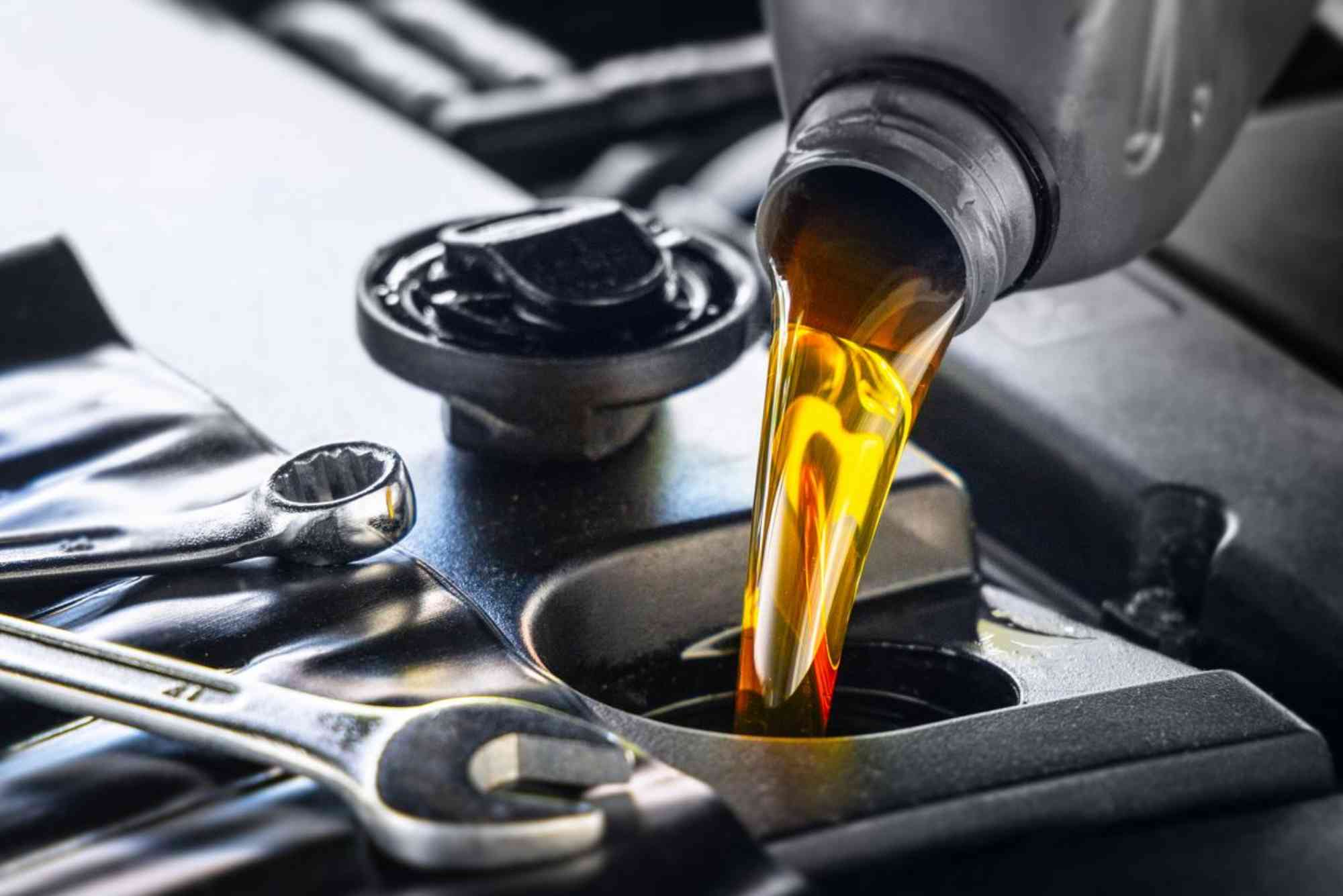
- 7. Add Oil if Needed: If the level is below the minimum mark, top it up with the manufacturer-recommended oil type. Always add small amounts and recheck.
Common Mistakes That Lead to Inaccurate Oil Checks
Even experienced drivers sometimes make mistakes that skew oil level readings. Checking oil immediately after turning off the engine or while it’s running can give misleading results. Another common error is parking on a slope or not waiting long enough after driving. Using a dirty dipstick can also cause confusion. Avoid these habits and follow a consistent process every time you check your oil to ensure accuracy.

How Often Should You Check Engine Oil?
For most vehicles, checking the engine oil every 1,000 miles or once a month is a good habit. However, this can vary depending on your car’s age, oil type, and driving conditions. If you frequently drive in dusty areas, tow heavy loads, or face extreme temperatures, you should check more often. Many modern vehicles have oil monitoring systems that alert you when the oil is low, but it’s still wise to perform manual checks periodically to catch issues early.
The Best Conditions for Checking Oil
To ensure accurate results, check your engine oil when the following conditions are met:
- The engine is warm but off for at least 5–10 minutes.
- The vehicle is parked on flat, level ground.
- The dipstick and surrounding area are clean.
- You’re using natural light or adequate lighting to see the oil level clearly.
Following these best practices ensures your readings are precise, preventing overfilling or running with insufficient oil.
How Oil Quality Affects Engine Performance
Engine oil not only lubricates but also cools and cleans internal components. High-quality oil maintains its viscosity and protective properties longer, while low-quality or degraded oil can lose effectiveness quickly. Dirty oil can lead to friction, overheating, and sludge buildup, which shortens engine life. Regularly checking your oil condition allows you to spot early signs of deterioration, such as dark color or burnt odor, and replace it before it causes damage.
Warm vs Cold Engine: Which Gives a Better Reading?
For decades, car experts have debated whether to check oil hot or cold. The consensus is clear: a slightly warm engine gives the most accurate reading. A completely cold engine might not reflect the oil’s true level because oil thickens and adheres to surfaces. A hot engine, meanwhile, makes the oil expand and can even pose a safety risk when handling components. That’s why allowing a few minutes after shutdown strikes the perfect balance for a true reading.
Signs Your Engine Oil Needs Attention
Sometimes, your car tells you when it needs an oil check or change. Watch for warning signs like the oil light on your dashboard, engine knocking noises, overheating, or sluggish performance. If you notice these symptoms, check the oil immediately, even if it’s not your scheduled time. It could prevent serious mechanical failure.
Synthetic vs Conventional Oil Checking Differences
Whether you use synthetic or conventional oil doesn’t change when to check it, but it does influence how often. Synthetic oils are more stable under temperature changes and resist breakdown longer, meaning you can go longer between oil changes. However, the checking process remains the same—engine warm, car level, dipstick clean, and a brief wait after shutting off the engine.
Maintaining an Oil Check Routine
Creating a regular oil check routine ensures you never miss a problem. Mark it on your calendar or set a phone reminder. Combine your oil checks with other maintenance habits, like checking tire pressure or coolant levels. A consistent routine helps maintain your car’s health and performance for years to come.
Expert Tips for Getting the Most Accurate Oil Reading
Always check oil at roughly the same conditions for consistent results. Avoid checking right after long drives or before starting the car in the morning. Keep your dipstick clean and store your oil properly to prevent contamination. Follow your car manufacturer’s specific recommendations, as some modern engines have unique requirements.
Protect Your Engine with Accurate Oil Checks
For accurate results, check the engine oil when engine is warm, off, and on level ground. This simple yet crucial step ensures you’re maintaining your car the right way. Proper oil levels and quality directly impact your engine’s lifespan, fuel efficiency, and performance. Regular checks prevent major mechanical failures and save you money over time. Don’t rely solely on dashboard indicators—get hands-on and check manually. Your vehicle will thank you with smoother rides and fewer repairs. Make it a habit to check your engine oil once a month. Grab a clean cloth, follow the steps above, and give your car the care it deserves. If you’re unsure about the right oil type or maintenance schedule, consult your vehicle’s manual or visit a trusted mechanic today.
FAQs
1. Should I check engine oil when the engine is hot or cold?
For accurate results, check engine oil when the engine is warm and turned off for about 5–10 minutes. This gives the oil time to settle and provides a precise reading.
2. How often should I check my engine oil?
It’s best to check your engine oil once a month or before any long trip. If your car is older or consumes oil quickly, check more frequently.
3. Can I add new oil without changing the old one?
Yes, you can top up oil if the level is low, but avoid mixing different types or brands. If the oil looks dirty or smells burnt, replace it completely.
4. What happens if I overfill the engine oil?
Overfilling causes pressure buildup, leading to leaks, foaming, or damage to seals. Always keep the level between the minimum and maximum marks.
5. Why does my oil level drop quickly?
Fast oil consumption may indicate leaks, worn piston rings, or valve issues. Get your car checked by a professional to diagnose the problem early.
6. What color should good engine oil be?
Fresh oil is usually light amber. As it ages, it turns darker. Very dark or thick oil means it’s time for a change.
Related Reading: Kuwait Oil Tanker Company
Related Reading: Oil Rif