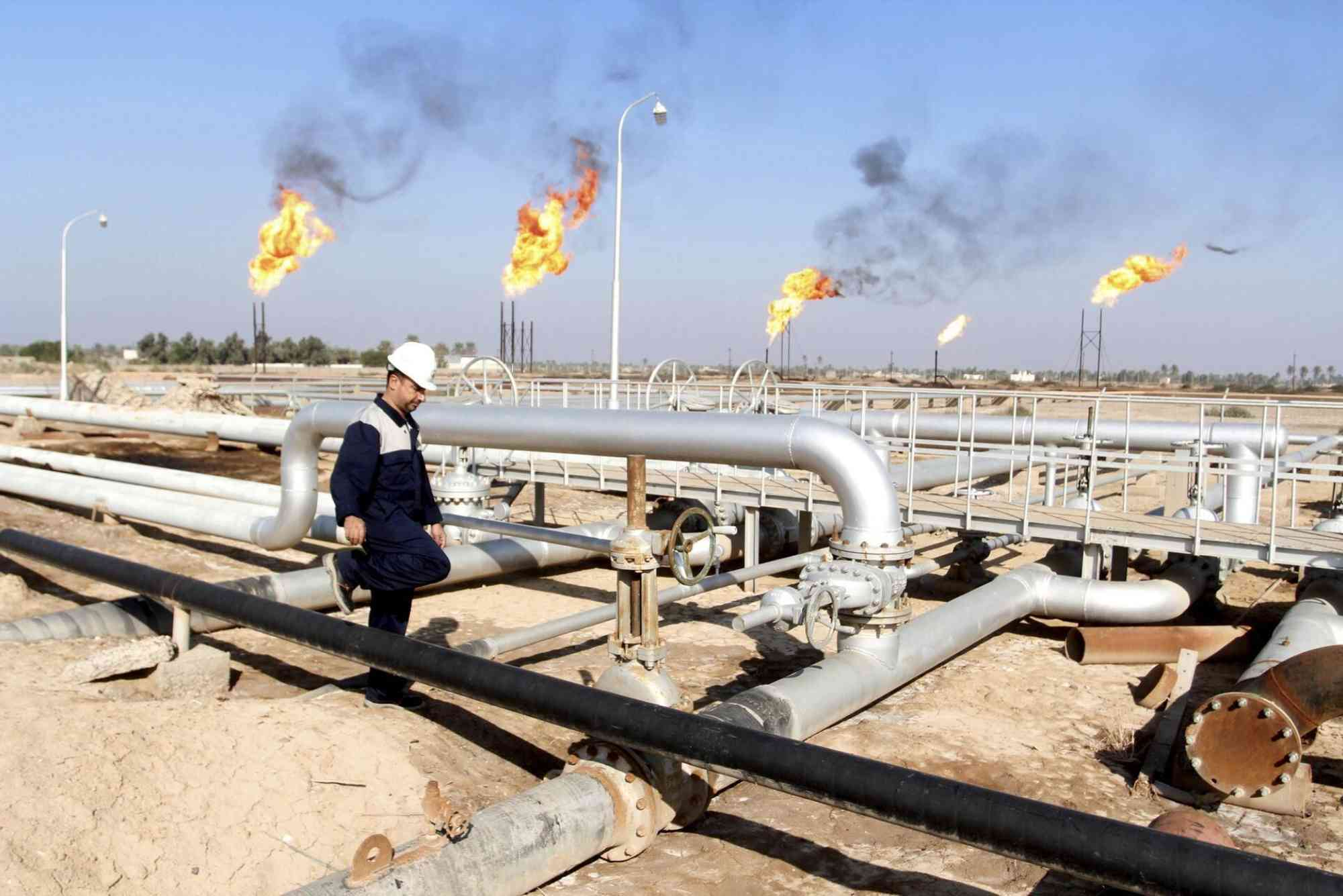
Majnoon Oil Field: An Overview of Iraq’s Largest Oil Field
The Majnoon Oil Field is one of Iraq’s most significant and productive oil reserves, representing a cornerstone of the nation’s petroleum industry. Situated in the Basra Governorate near the Iranian border, this massive field has been a symbol of both Iraq’s energy potential and its resilience in the face of political and infrastructural challenges. The Majnoon Oil Field is often described as a “giant” because of its vast reserves and strategic importance, contributing immensely to Iraq’s economic stability and its global standing in the oil market.
The Discovery and Historical Significance of the Majnoon Oil Field
The Majnoon Oil Field was discovered in 1975 by the Basra Oil Company, formerly known as the Iraq National Oil Company. From its inception, it was recognized as one of the world’s super-giant fields due to its enormous proven reserves—estimated to hold between 12 to 30 billion barrels of oil. The name “Majnoon,” meaning “crazy” in Arabic, reflects the massive scale of the discovery, which seemed almost unbelievable at the time.
The field’s early development was hindered by decades of regional conflict, including the Iran-Iraq War in the 1980s and the Gulf War in the 1990s. Despite these setbacks, Iraq’s determination to harness Majnoon’s potential remained unwavering. After years of delay, significant development resumed in the 2000s, particularly after 2009 when international oil companies were invited to participate under new licensing rounds.
Location and Geological Characteristics
The Majnoon Oil Field lies approximately 60 kilometers north of Basra, near the Iranian border, and covers a vast area of around 500 square kilometers. Geologically, it is part of the Mesopotamian Basin, a sedimentary basin known for its rich hydrocarbon formations. The field contains multiple oil-bearing layers, primarily within the Zubair, Mishrif, and Nahr Umr formations, which have made it one of the most technically and geologically complex sites in Iraq.
The quality of crude oil in Majnoon is medium to heavy, with an API gravity range typically between 24 and 30 degrees. While this makes extraction and refining more challenging compared to lighter crudes, the sheer volume of reserves makes the field extremely valuable for long-term production.
Development and International Involvement
In 2009, the Iraqi Ministry of Oil awarded a development contract for the Majnoon Oil Field to a consortium led by Shell and Petronas. The agreement aimed to raise production levels to over 1.8 million barrels per day. Shell brought technical expertise, modern extraction technologies, and efficient project management, while Petronas contributed operational experience and financial support.

By 2014, substantial progress had been made. The consortium managed to increase production significantly, reaching over 200,000 barrels per day. However, due to operational and financial challenges, Shell eventually decided to exit the project in 2018. Following Shell’s departure, Basra Oil Company took full control of operations, continuing to manage and develop the field with assistance from several service providers and technical partners.
Current Production and Output
Today, the Majnoon Oil Field produces between 240,000 to 300,000 barrels of oil per day, making it one of Iraq’s largest contributors to national oil output. Continuous efforts are being made to expand production capacity while maintaining sustainable operations and minimizing environmental impact. The Iraqi government’s long-term goal is to push production closer to 500,000 barrels per day through enhanced recovery techniques, improved infrastructure, and modern drilling methods.
Infrastructure and Technological Advancements
To support such high levels of production, significant infrastructure has been developed around the Majnoon Oil Field. This includes a network of pipelines, processing facilities, water injection plants, and storage units. Advanced technologies such as horizontal drilling, seismic imaging, and digital monitoring systems have been introduced to optimize extraction and improve efficiency.
One of the most critical infrastructure projects in Majnoon is the Central Processing Facility (CPF), designed to handle hundreds of thousands of barrels per day. The facility separates crude oil, gas, and water, ensuring high-quality output and efficient processing. In addition, new export pipelines have been constructed to connect Majnoon with the southern terminals, particularly the Basra Oil Terminal, allowing smoother and faster export operations.
Economic Importance of the Majnoon Oil Field
The Majnoon Oil Field plays a pivotal role in Iraq’s economy, contributing billions of dollars annually in revenue. Oil exports form the backbone of Iraq’s national income, and Majnoon’s production accounts for a significant portion of this. The field’s continued operation ensures job creation, both directly in the oil sector and indirectly in supporting industries such as transportation, logistics, and engineering services.
Furthermore, the development of the Majnoon Oil Field has encouraged foreign investment in Iraq’s energy sector, promoting technology transfer and international collaboration. The revenues generated from the field are also used to fund public infrastructure, healthcare, and education, helping the nation rebuild and strengthen its economy after years of conflict.
Environmental and Social Considerations
While the Majnoon Oil Field represents economic prosperity, environmental and social impacts have become areas of increasing concern. The extraction and processing of oil can lead to pollution, habitat disruption, and greenhouse gas emissions. To address these challenges, Iraq has initiated several environmental management programs at Majnoon, including waste treatment, water management, and gas flaring reduction initiatives.
In addition to environmental efforts, community engagement has become a critical aspect of Majnoon’s operations. The Basra Oil Company has been involved in supporting local communities through education programs, healthcare initiatives, and employment opportunities. These projects aim to balance industrial development with social responsibility, ensuring that the local population benefits from the region’s natural wealth.
Challenges Facing the Majnoon Oil Field
Despite its enormous potential, the Majnoon Oil Field faces several challenges. Political instability and security concerns have historically affected foreign investment and operational continuity. Additionally, fluctuating global oil prices can impact funding for expansion projects. Infrastructure limitations and aging equipment also pose operational risks, requiring constant maintenance and modernization.
Another major issue is environmental sustainability. Iraq must balance its economic reliance on oil with global shifts toward cleaner energy. This means investing in technologies that reduce emissions and improve efficiency without compromising output.
The Future of Majnoon Oil Field
Looking ahead, the Majnoon Oil Field remains central to Iraq’s energy strategy. The government plans to increase production capacity through the integration of advanced technologies, including enhanced oil recovery (EOR) techniques such as gas injection and chemical flooding. These methods will help extract additional reserves from mature wells, extending the field’s productive lifespan.
Additionally, Iraq aims to strengthen partnerships with international companies to attract investment and expertise. Digital transformation is also a major focus area, with the adoption of data analytics and automation to improve operational decision-making. These steps will not only boost efficiency but also enhance safety and environmental management.
In the long term, Majnoon’s development aligns with Iraq’s broader vision of economic diversification. By using oil revenues from fields like Majnoon to fund infrastructure, education, and renewable energy projects, Iraq seeks to reduce its dependence on oil while maintaining energy leadership in the region.
The Majnoon Oil Field stands as a powerful symbol of Iraq’s energy wealth, resilience, and ambition. From its discovery in the 1970s to its modern-day production achievements, Majnoon has been instrumental in shaping Iraq’s role in the global oil industry. With billions of barrels of proven reserves and continuous technological advancement, the field will remain a vital component of Iraq’s economic future for decades to come.
For energy investors, analysts, and enthusiasts, the Majnoon Oil Field offers valuable insights into the balance between energy development, environmental sustainability, and economic growth. As Iraq continues to expand and modernize its oil sector, Majnoon will undoubtedly remain at the heart of its progress. Stay updated with the latest developments in Iraq’s energy industry. Follow trusted energy reports and government updates to learn how fields like Majnoon are shaping the future of global oil production.
Frequently Asked Questions
What is the Majnoon Oil Field?
The Majnoon Oil Field is one of Iraq’s largest oil reserves, located near Basra. It is known for its massive crude oil deposits and significant contribution to Iraq’s economy.
How much oil does the Majnoon Oil Field produce?
As of recent years, Majnoon produces around 240,000 to 300,000 barrels per day, with plans to expand production to 500,000 barrels per day.
Who operates the Majnoon Oil Field now?
The field is currently managed by the Basra Oil Company, which took over operations after Shell exited in 2018.
Why is it called the Majnoon Oil Field?
The word “Majnoon” means “crazy” in Arabic, referring to the astonishing scale of the oil reserves discovered in the field.
What challenges does the Majnoon Oil Field face?
Key challenges include political instability, environmental management, aging infrastructure, and the global shift toward renewable energy.
Is the Majnoon Oil Field environmentally sustainable?
Efforts are underway to improve sustainability, including waste reduction, gas flaring control, and community development programs.
Related Reading: Umm Shaif Oil Field