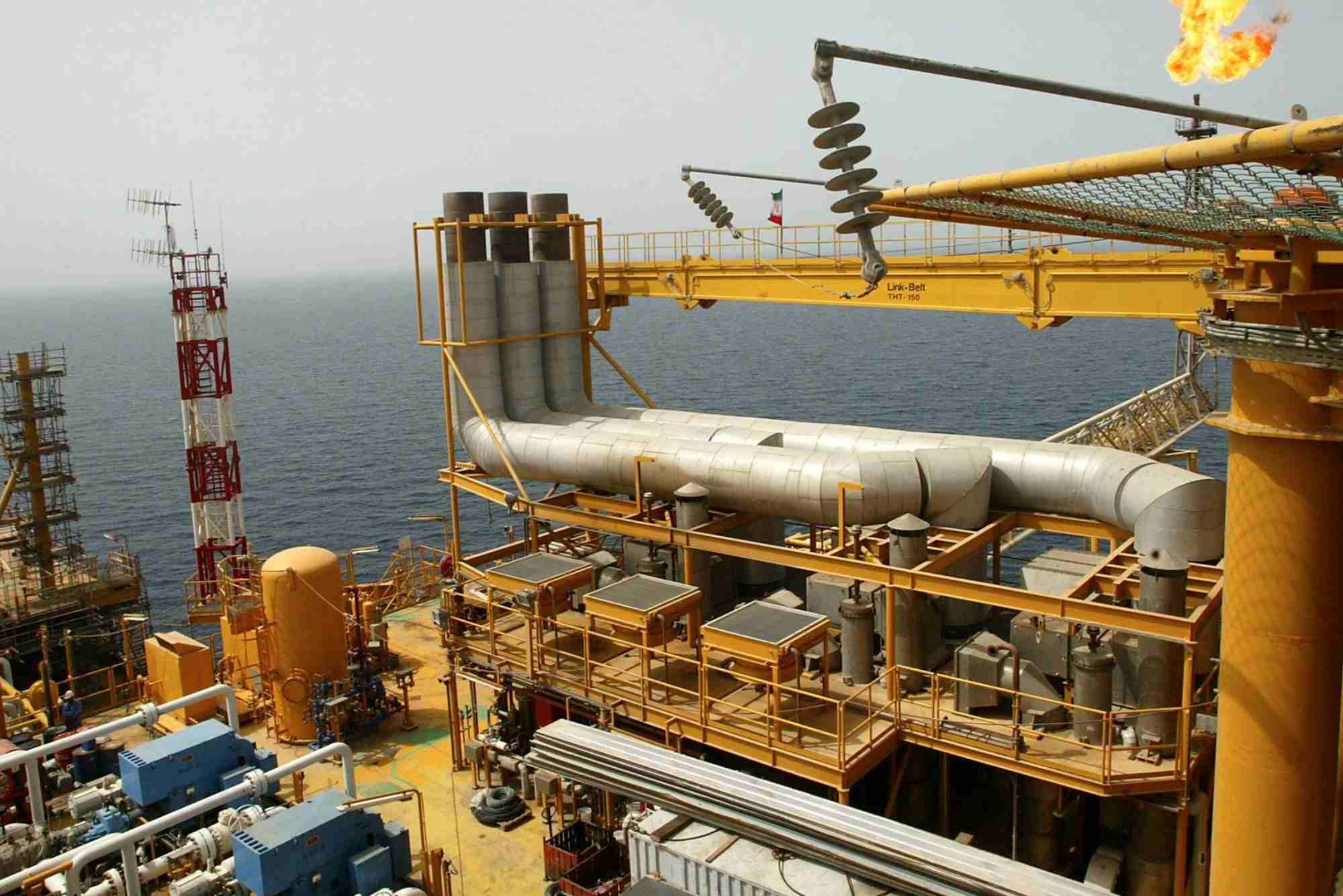
Umm Shaif Oil Field: The Heart of UAE’s Petroleum Reserves
The Umm Shaif Oil Field stands as one of the most significant pillars of the United Arab Emirates’ (UAE) energy sector. Situated off the coast of Abu Dhabi, this offshore field has played a monumental role in shaping the nation’s economy and establishing its position as a global oil powerhouse. Since its discovery, the Umm Shaif Oil Field has been a cornerstone of Abu Dhabi’s petroleum industry, symbolizing innovation, resilience, and strategic importance in the global energy landscape.
The Historical Discovery of Umm Shaif Oil Field
The history of the Umm Shaif Oil Field dates back to the early 1950s, a period when the Arabian Gulf region was transforming rapidly due to new oil discoveries. In 1958, Abu Dhabi Marine Areas Ltd. (ADMA), a joint venture between British Petroleum (BP) and Compagnie Française des Pétroles (now TotalEnergies), discovered the Umm Shaif field. This discovery marked a turning point in the UAE’s energy journey.
Located approximately 130 kilometers northwest of Abu Dhabi city, Umm Shaif was among the first offshore oil fields in the region to be developed on a large scale. Its success demonstrated that offshore drilling could be both feasible and economically viable, paving the way for further exploration and development across the Arabian Gulf.
Geographic Location and Geological Structure
The Umm Shaif Oil Field is strategically positioned within the shallow waters of the Arabian Gulf. This location allows for easier extraction and transportation of oil compared to deeper offshore reserves. The field sits within the prolific carbonate reservoirs of the Lower Cretaceous Thamama Group, a geological formation known for its high-quality hydrocarbon deposits.
Geologically, Umm Shaif contains multiple oil-bearing zones with a mix of light and medium crude oil. These reservoirs are characterized by excellent porosity and permeability, which makes extraction efficient. The field also contains significant natural gas reserves, further enhancing its strategic importance to the UAE’s energy portfolio.
Development and Production Operations
After its discovery, the Umm Shaif Oil Field underwent extensive development. The first commercial production began in 1962, marking the UAE’s entry into the global oil export market. Over the decades, continuous technological advancements have transformed the field into one of the most efficiently operated offshore oil projects in the world.

Abu Dhabi National Oil Company (ADNOC), which oversees Umm Shaif’s operations today, has introduced cutting-edge technologies to maximize production while minimizing environmental impact. These include advanced drilling techniques, digital monitoring systems, and enhanced oil recovery (EOR) methods to maintain output levels as the field matures.
Umm Shaif’s infrastructure includes dozens of offshore platforms, subsea pipelines, and modern processing facilities. Crude oil extracted from the field is transported via subsea pipelines to Das Island, a key hub for processing, storage, and export. From there, the oil is shipped to international markets, fueling economies across Asia, Europe, and beyond.
The Role of Umm Shaif in the UAE’s Energy Strategy
The Umm Shaif Oil Field plays a crucial role in the UAE’s long-term energy and economic strategy. As one of ADNOC’s flagship offshore assets, it contributes significantly to the country’s daily oil production capacity, which exceeds 4 million barrels per day.
Beyond its immediate economic value, Umm Shaif supports the UAE’s broader vision of achieving energy sustainability. The natural gas co-produced from the field is utilized for domestic electricity generation and industrial applications, reducing the nation’s reliance on imported fuels. Moreover, ADNOC’s integration of advanced technologies ensures that the field operates efficiently and aligns with global environmental standards.
Technological Advancements and Innovation
One of the defining features of the Umm Shaif Oil Field is its integration of advanced technology. ADNOC has adopted digital oilfield systems that allow real-time monitoring of production operations. These systems collect and analyze vast amounts of data to optimize drilling performance, detect anomalies early, and reduce downtime.
Enhanced oil recovery (EOR) methods, including gas injection and water flooding, have been applied to extend the productive life of the field. ADNOC is also exploring carbon capture and storage (CCS) technologies to reduce carbon emissions from production processes, reinforcing its commitment to sustainability.
Furthermore, the implementation of remote-operated subsea systems and automated drilling rigs has significantly improved operational safety and efficiency. These innovations reflect ADNOC’s goal of maintaining Umm Shaif’s competitiveness in a rapidly evolving global energy landscape.
Environmental Responsibility and Sustainability Efforts
Despite being a large-scale hydrocarbon project, the Umm Shaif Oil Field operates under strict environmental management standards. ADNOC’s environmental strategy emphasizes minimizing ecological impact through advanced waste treatment, emission reduction, and offshore ecosystem protection.
The use of modern flaring reduction systems and the capture of associated gas have drastically reduced carbon emissions from production facilities. ADNOC also invests in marine biodiversity conservation, ensuring that the operations around Umm Shaif coexist harmoniously with the Gulf’s natural habitat.
The integration of renewable energy sources in supporting operations, such as offshore solar power systems, showcases the UAE’s dedication to balancing energy development with sustainability.
Economic Impact of Umm Shaif Oil Field
The economic impact of the Umm Shaif Oil Field cannot be overstated. Since the start of its operations, the revenue generated from Umm Shaif’s production has played a vital role in funding the UAE’s infrastructure development, education, healthcare, and national growth projects.
The field not only supports thousands of jobs directly but also sustains numerous industries indirectly, from shipping and logistics to engineering and construction. Its contribution to the UAE’s GDP underscores its position as a cornerstone of national prosperity.
In addition, Umm Shaif strengthens the UAE’s geopolitical influence by ensuring a stable supply of energy to global markets. The field’s consistent production has made it a trusted source for key oil-importing nations, enhancing the country’s economic partnerships worldwide.
Strategic Expansion and Future Outlook
Looking ahead, the Umm Shaif Oil Field remains central to ADNOC’s strategic plans for future expansion. The company has announced long-term investments aimed at enhancing output capacity while maintaining environmental integrity.
Projects are underway to upgrade production infrastructure, integrate more automation, and develop new processing technologies. ADNOC’s 2030 smart growth strategy envisions a balanced energy portfolio, where Umm Shaif will continue to serve as a vital oil and gas hub supporting both conventional and cleaner energy initiatives.
As global demand for energy evolves, ADNOC’s focus is shifting toward increasing gas production from Umm Shaif to meet the UAE’s domestic energy needs while reducing carbon intensity. The field’s dual role—supplying oil for export and gas for local consumption—ensures its continued relevance for decades to come.
Umm Shaif—Powering the UAE’s Energy Future
The Umm Shaif Oil Field remains a testament to the UAE’s engineering excellence, strategic foresight, and commitment to sustainable development. From its historic discovery in 1958 to its modern-day operations under ADNOC, Umm Shaif continues to power the nation’s growth and global influence.
As the world transitions toward cleaner energy sources, Umm Shaif’s innovative integration of technology and sustainability ensures it remains a crucial player in the evolving energy landscape. Its legacy is not only about oil and gas production but also about vision, progress, and the enduring spirit of the UAE. Stay informed about the UAE’s energy advancements and ADNOC’s sustainable initiatives. Explore more about the Umm Shaif Oil Field and its pivotal role in driving the future of global energy.
FAQs
What is the Umm Shaif Oil Field?
The Umm Shaif Oil Field is one of the largest offshore oil and gas fields in the UAE, located about 130 kilometers northwest of Abu Dhabi. It plays a vital role in the country’s petroleum production and economic growth.
Who operates the Umm Shaif Oil Field?
The field is operated by the Abu Dhabi National Oil Company (ADNOC), which manages its production, processing, and export operations in partnership with international energy firms.
When was the Umm Shaif Oil Field discovered?
The Umm Shaif Oil Field was discovered in 1958 by Abu Dhabi Marine Areas Ltd., marking one of the earliest and most significant offshore discoveries in the region.
How much oil does Umm Shaif produce?
Exact figures vary with operational phases, but Umm Shaif contributes substantially to the UAE’s overall oil production capacity, supporting millions of barrels per day collectively with other ADNOC fields.
What makes Umm Shaif important to the UAE’s economy?
Umm Shaif generates significant export revenue, supports employment, and fuels the UAE’s industrial and infrastructure development. It also strengthens the country’s position in global energy markets.
Is Umm Shaif involved in natural gas production?
Yes, the field contains both oil and natural gas reserves. The gas extracted is used domestically for power generation and industrial applications, contributing to energy diversification.
How does ADNOC ensure environmental protection at Umm Shaif?
ADNOC employs advanced technologies to minimize emissions, reduce flaring, and protect marine biodiversity. Sustainability is a core component of the company’s operational framework.
Related Reading: Majnoon Oil Field