Introduction
Training a dog becomes easier when you understand how dogs learn new behaviors. Luring, shaping, and capturing are three popular methods that help owners teach useful skills. Each method works differently, but all can support positive reinforcement training. Understanding Luring vs Shaping vs Capturing: The 3 Core Dog Training Methods Explained helps you choose the right approach for your dog’s personality, experience, and learning speed.
Some dogs respond quickly to food rewards, while others need more time to understand a new task. Therefore, choosing an appropriate training method can make lessons more enjoyable. Whether you are teaching your puppy to sit or helping an adult dog learn advanced tricks, these methods offer practical solutions.
Understanding Luring vs Shaping vs Capturing in Dog Training
Luring, shaping, and capturing share one important principle: rewarding desirable behavior. However, the trainer uses a different approach to encourage learning.
Luring involves guiding a dog into a position with a reward. Shaping rewards small steps toward a final behavior. Capturing rewards a behavior when the dog performs it naturally. Knowing these differences helps you build reliable skills without unnecessary frustration.
What Is Luring in Dog Training?
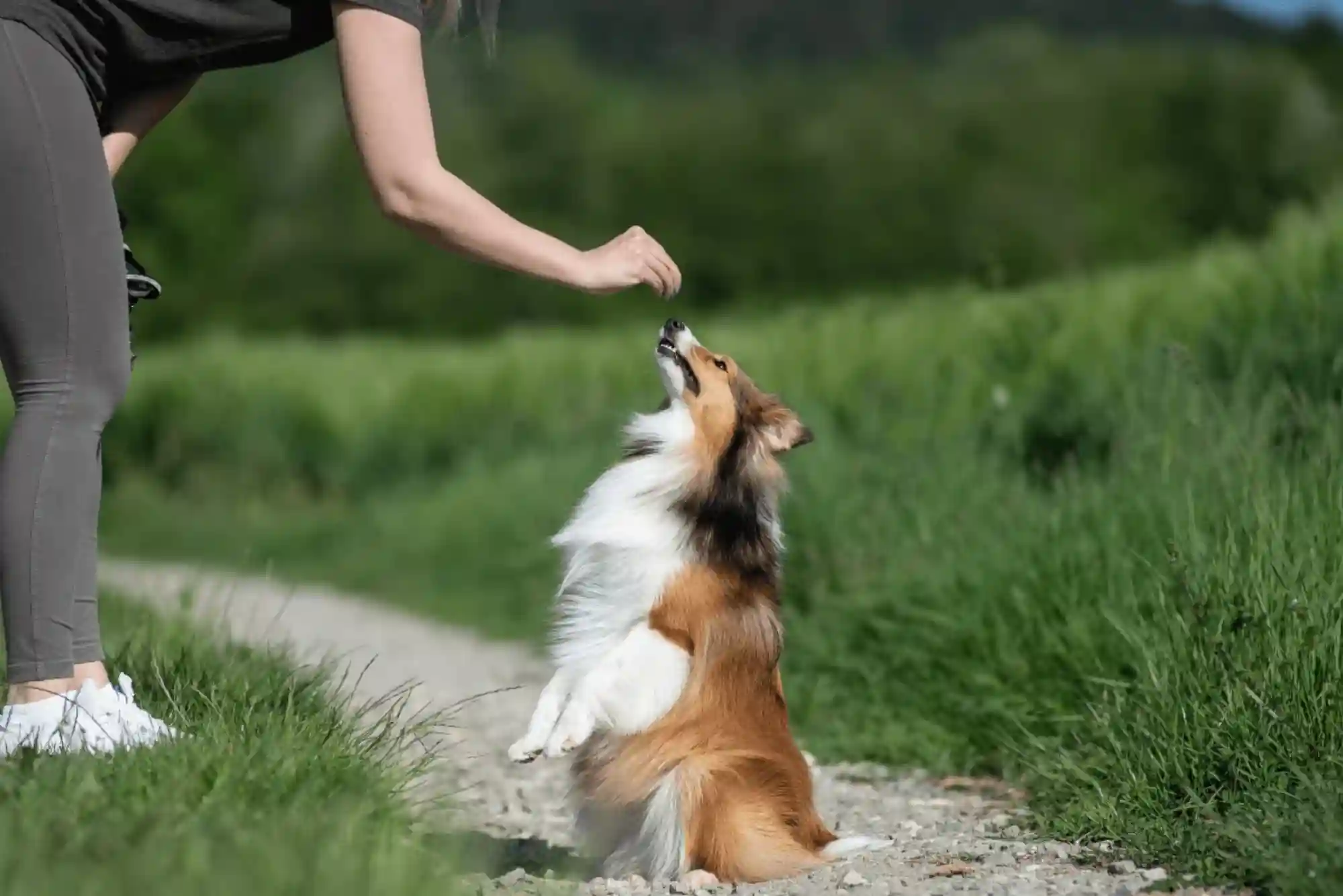
Luring is a straightforward training technique that uses something attractive, usually a small treat, to guide a dog’s movement. The dog follows the reward and naturally performs the desired action.
For example, hold a treat near your dog’s nose and slowly move it upward. Your dog will probably lift its head and lower its rear into a sitting position. As soon as the dog sits, mark the behavior with a word such as “yes” and offer the treat.

This approach works well for beginners because the movement provides a clear visual signal. Dogs can quickly understand what earns a reward.
However, avoid relying on the treat forever. Once your dog understands the movement, gradually reduce the visible lure. Introduce a hand signal or verbal cue, then reward successful responses.
When Should You Use Luring?
Luring is particularly useful for teaching basic commands such as sit, down, and follow. It can also help dogs learn simple positioning exercises.
Nevertheless, move slowly when guiding your dog. Never force the animal into a position or use the treat to create uncomfortable movements. If your dog appears worried, take a break and make the exercise easier.
What Is Shaping in Dog Training?
Shaping teaches a behavior through small, achievable steps. Instead of guiding the dog directly into the final position, you reward actions that gradually move toward the goal.
For instance, imagine teaching your dog to touch a target with its nose. Initially, reward the dog for looking at the target. Next, reward movement toward it. Then, reward nose contact.
Each successful step brings the dog closer to the finished behavior. This technique encourages dogs to think, explore, and discover which actions earn rewards.
Shaping requires patience because progress may happen gradually. However, it can develop impressive skills without physically guiding the dog.
Examples of Shaping
Shaping works particularly well for teaching complex tricks. You might use it to teach your dog to spin, place its paws on a platform, or put toys into a basket.
Start by rewarding a small movement toward the goal. Once your dog repeats that movement consistently, wait for a slightly closer approximation before rewarding again.
Keep each step manageable. If your dog becomes confused, return to an easier stage. Small successes help maintain motivation and make learning enjoyable.
Why Is Shaping Useful?
Shaping encourages problem-solving and offers dogs opportunities to make choices. It can also help build confidence when training unfamiliar behaviors.
However, timing matters. Rewarding the wrong action can confuse your dog about what you want. Use a clicker or a consistent marker word to identify successful behavior precisely.
What Is Capturing in Dog Training?
Capturing means rewarding a behavior when your dog performs it naturally. Instead of prompting or guiding the movement, you wait for the behavior to happen.
For example, many dogs lie down voluntarily when they feel comfortable. When your dog settles into a relaxed position, say “yes” and offer a small treat.
Over time, your dog may repeat the behavior more frequently because it has become rewarding. You can eventually introduce a verbal cue when the behavior occurs reliably.
Capturing is especially useful for calm behaviors, natural movements, and actions that dogs already perform occasionally.
When Does Capturing Work Best?
Capturing works well for rewarding quiet settling, voluntary eye contact, relaxed lying down, and other desirable everyday behaviors.
It can also help owners reinforce spontaneous check-ins during walks. Whenever your dog looks toward you without prompting, mark and reward that choice.
However, capturing is less practical when a behavior rarely happens naturally. If you want your dog to perform a complicated sequence, shaping or luring may provide a clearer starting point.
Luring vs Shaping vs Capturing: Key Differences
The main difference between these methods is how the desired behavior begins. Luring guides the dog toward the action, shaping rewards gradual progress, and capturing reinforces spontaneous behavior.
Luring is often the easiest method for teaching simple movements. Shaping is valuable for complex skills that require several learning stages. Capturing is ideal when a dog already performs a behavior worth encouraging.
The methods can also work together. For example, you might lure your dog into a down position, capture naturally occurring relaxation, and shape a longer settle.
There is no single technique that works best in every situation. Your dog’s comfort, motivation, and existing skills should guide your decision.
How to Choose the Right Dog Training Method
Choosing between luring, shaping, and capturing depends on your training goal. Consider what your dog already knows and how naturally the behavior occurs.
If your puppy has never learned to sit, luring can provide a clear introduction. If you want to teach a complicated trick, shaping lets you divide the task into smaller steps. If your dog already settles quietly, capturing helps reinforce that useful habit.
Your dog’s temperament also matters. Some dogs enjoy experimenting with different actions, making shaping particularly rewarding. Others benefit from the clearer guidance provided by luring.
Regardless of your chosen method, keep training sessions short and positive. Several brief sessions can be more productive than one long lesson. Use small rewards, provide breaks, and finish when your dog is still engaged.
Common Mistakes to Avoid During Dog Training
One common mistake is keeping food directly in front of the dog’s nose throughout every exercise. This can create dependence on the visible lure. Gradually replace the treat with a hand signal and reward after the behavior.
Another mistake is advancing too quickly during shaping. If the dog struggles, make the next step easier instead of repeating a confusing challenge.
Capturing also requires attention. Owners sometimes overlook desirable behaviors because they are waiting for a formal command. Watch for calm, polite actions throughout the day and reward them when appropriate.
In addition, avoid punishing mistakes or forcing compliance. Reward-based training supports trust and encourages dogs to participate willingly. If a behavior causes fear or distress, reduce the difficulty and seek qualified professional guidance when necessary.
Tips for Better Results With Positive Reinforcement
Consistency helps dogs understand which behaviors earn rewards. Use the same marker word, reward promptly, and make your expectations clear.
Choose rewards your dog genuinely enjoys. Small food treats work well for many dogs, but toys, praise, or brief play can also motivate some animals.
Train in a quiet environment before introducing distractions. Once your dog understands the behavior at home, gradually practice in different locations.
Remember that learning takes time. Some behaviors develop quickly, while others require repeated practice. Celebrate small improvements and adjust your approach when progress slows.
Frequently Asked Questions
Is luring or shaping better for dog training?
Neither method is universally better. Luring often helps dogs learn simple positions quickly, while shaping works well for complex behaviors. Choose according to the skill you want to teach and your dog’s learning style.
What is the difference between capturing and shaping?
Capturing rewards a behavior when it happens naturally. Shaping rewards successive steps toward a behavior that the dog has not yet mastered. Both methods use positive reinforcement, but they begin at different points.
Can you use luring, shaping, and capturing together?
Yes. Combining the three methods can make training more flexible. You might lure a dog into a position, shape a more advanced movement, and capture calm behavior during everyday activities.
How long should a dog training session last?
Many dogs benefit from sessions lasting around three to ten minutes, depending on their age, attention span, and experience. End earlier if your dog becomes distracted, tired, or frustrated.
Is capturing good for puppy training?
Yes. Capturing helps puppies learn desirable everyday behaviors, including calm settling and voluntary attention. Reward these actions consistently so your puppy has more opportunities to practice them.
Conclusion
Understanding Luring vs Shaping vs Capturing: The 3 Core Dog Training Methods Explained gives you practical ways to teach new skills and encourage good habits. Luring provides guidance, shaping builds behavior gradually, and capturing rewards actions your dog already performs naturally.