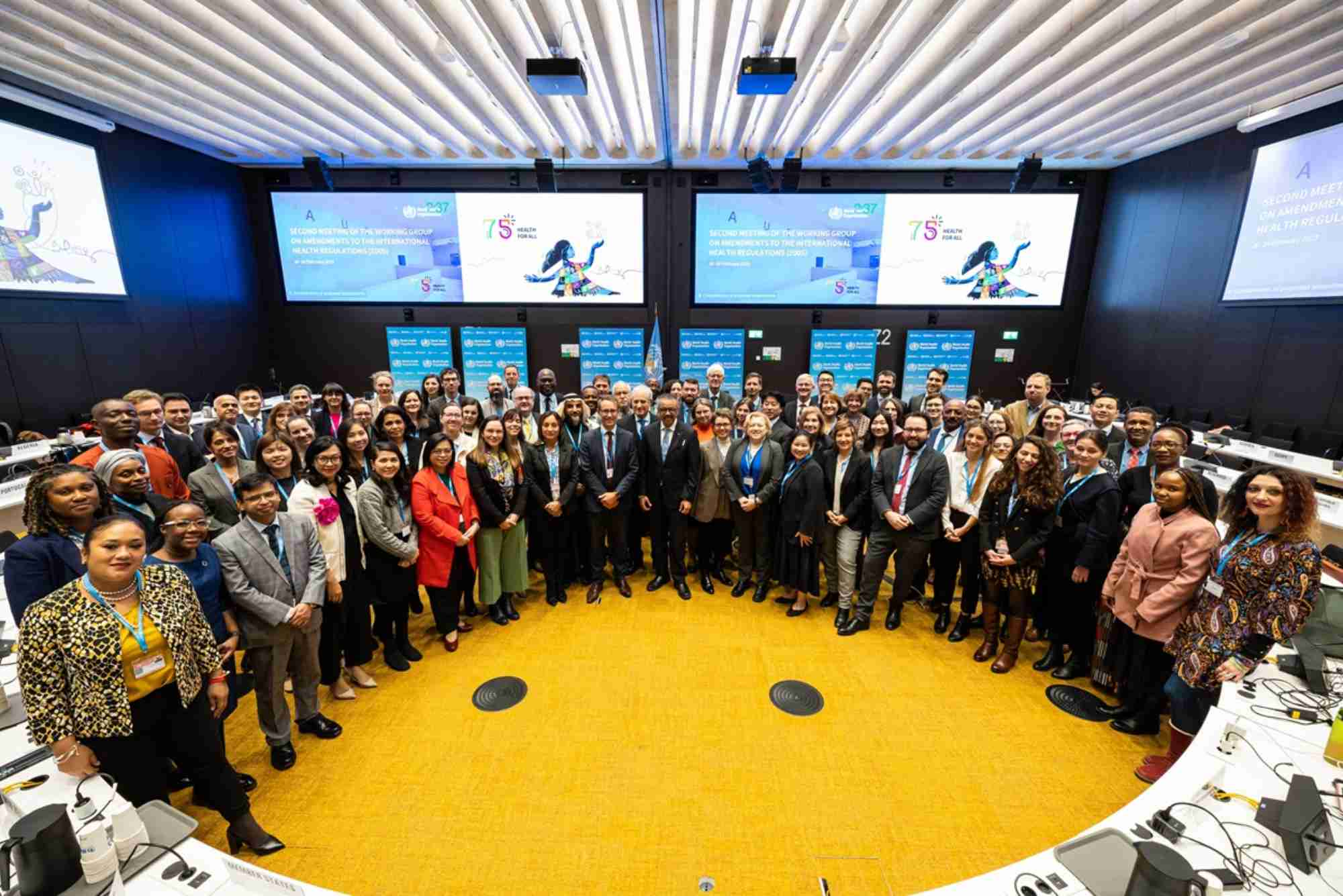
Global health has never been more interconnected. In an era of frequent international travel and fast-moving epidemics, infectious diseases can cross borders within hours. To safeguard the world from such threats, the WHO International Health Regulations 2005 (IHR 2005) offer a comprehensive framework. These legally binding regulations aim to ensure global preparedness and cooperation in managing public health risks that could spread internationally.
In this article, we’ll explore the purpose, principles, and significance of the WHO International Health Regulations 2005, how they function, and why they matter today more than ever.
What Are the WHO International Health Regulations 2005?
The WHO International Health Regulations 2005 are a set of international legal rules designed to prevent and respond to global public health threats. They are binding on 196 countries, including all WHO Member States. Their goal is simple yet vital: to prevent the spread of disease while avoiding unnecessary disruption to international trade and travel.
Why Were the IHR Revised in 2005?
Before 2005, the IHR mainly focused on a few infectious diseases like cholera, yellow fever, and plague. However, the outbreak of SARS in 2003 exposed major gaps. The old rules didn’t require countries to report new or emerging diseases, and responses were often delayed.
The revised WHO International Health Regulations 2005 addressed these issues by:
- Expanding the scope to include all public health risks.
- Requiring prompt notification of certain events.
- Improving coordination between countries and the WHO.
Key Objectives of the IHR 2005
The IHR 2005 aim to strike a balance between protecting public health and minimizing disruptions to international traffic and trade.

Early Detection and Reporting
Countries must develop the capacity to detect, assess, and report public health events. The goal is early identification of potential threats so that action can be taken before they spread.
National Core Capacities
Each country is expected to build and maintain essential public health systems. These include laboratories, surveillance systems, trained personnel, and rapid response teams.
Event Notification to WHO
When a country identifies a health event that could spread internationally or cause serious public health impact, it must notify WHO within 24 hours.
Coordinated International Response
The WHO plays a central role in coordinating global responses. It offers technical support, mobilizes resources, and ensures transparent communication among countries.
How Do the WHO International Health Regulations 2005 Work?
Surveillance at the National Level
Countries monitor public health events. If an unusual outbreak occurs, they assess it using the IHR decision instrument — a tool to determine if WHO should be informed.
Notification to WHO
If the event meets the criteria — unusual, unexpected, serious, or with potential international spread — the country must notify WHO immediately.
WHO’s Risk Assessment
WHO analyzes the event, using expert input to determine if it constitutes a Public Health Emergency of International Concern (PHEIC).
International Collaboration
If a PHEIC is declared, WHO provides recommendations. These may include travel advisories, trade measures, or public health interventions.
Public Health Emergencies of International Concern (PHEIC)
A PHEIC is the highest alert under the IHR 2005. It signals an extraordinary event with potential to cross borders and require coordinated international action.
Examples of PHEIC declarations:
- 2009: H1N1 influenza pandemic.
- 2014: Ebola outbreak in West Africa.
- 2016: Zika virus spread.
- 2020: COVID-19 pandemic.
Each PHEIC declaration has triggered global coordination and accelerated response efforts under the WHO International Health Regulations 2005.
Challenges in Implementation
Varying National Capacities
Not all countries have equal health system capacities. Some low-income nations struggle to meet IHR requirements, particularly in surveillance and reporting.
Delayed Reporting
Some countries hesitate to report outbreaks due to fears of economic or political consequences, such as trade bans or reduced tourism.
Compliance Without Enforcement
The IHR 2005 are legally binding, but there’s no enforcement mechanism. WHO relies on diplomacy and cooperation rather than penalties.
Importance of the WHO International Health Regulations 2005 Today
In a post-COVID world, the relevance of the WHO International Health Regulations 2005 has grown even stronger. The pandemic exposed vulnerabilities in global health coordination. Delayed responses and lack of transparency made the crisis worse.
Many experts now call for a more robust version of the IHR — or a complementary pandemic treaty — to better prepare for future threats. Nonetheless, the IHR 2005 remain the foundation for international cooperation in health emergencies.
FAQs About the WHO International Health Regulations 2005
What is the purpose of the WHO International Health Regulations 2005?
Their purpose is to prevent, protect against, and control the international spread of diseases, while avoiding unnecessary interference with international traffic and trade.
Which countries follow the IHR 2005?
All 194 WHO Member States plus two others — a total of 196 countries — are bound by the IHR 2005.
What is a Public Health Emergency of International Concern (PHEIC)?
A PHEIC is an official declaration by the WHO when a health threat poses risk beyond national borders and requires international action.
Are countries penalized for not complying with IHR 2005?
No. The IHR 2005 rely on mutual cooperation, diplomacy, and peer pressure rather than legal enforcement or penalties.
How did the IHR 2005 affect the COVID-19 response?
The IHR provided the legal framework for declaring COVID-19 a global emergency and coordinating responses. However, delays and weaknesses in implementation have led to calls for reform.
The Future of Global Health Depends on Cooperation
The WHO International Health Regulations 2005 are more than just legal instruments — they are the backbone of global health security. By setting standards for disease detection, reporting, and response, they help ensure that health threats are identified and contained early.