Introduction
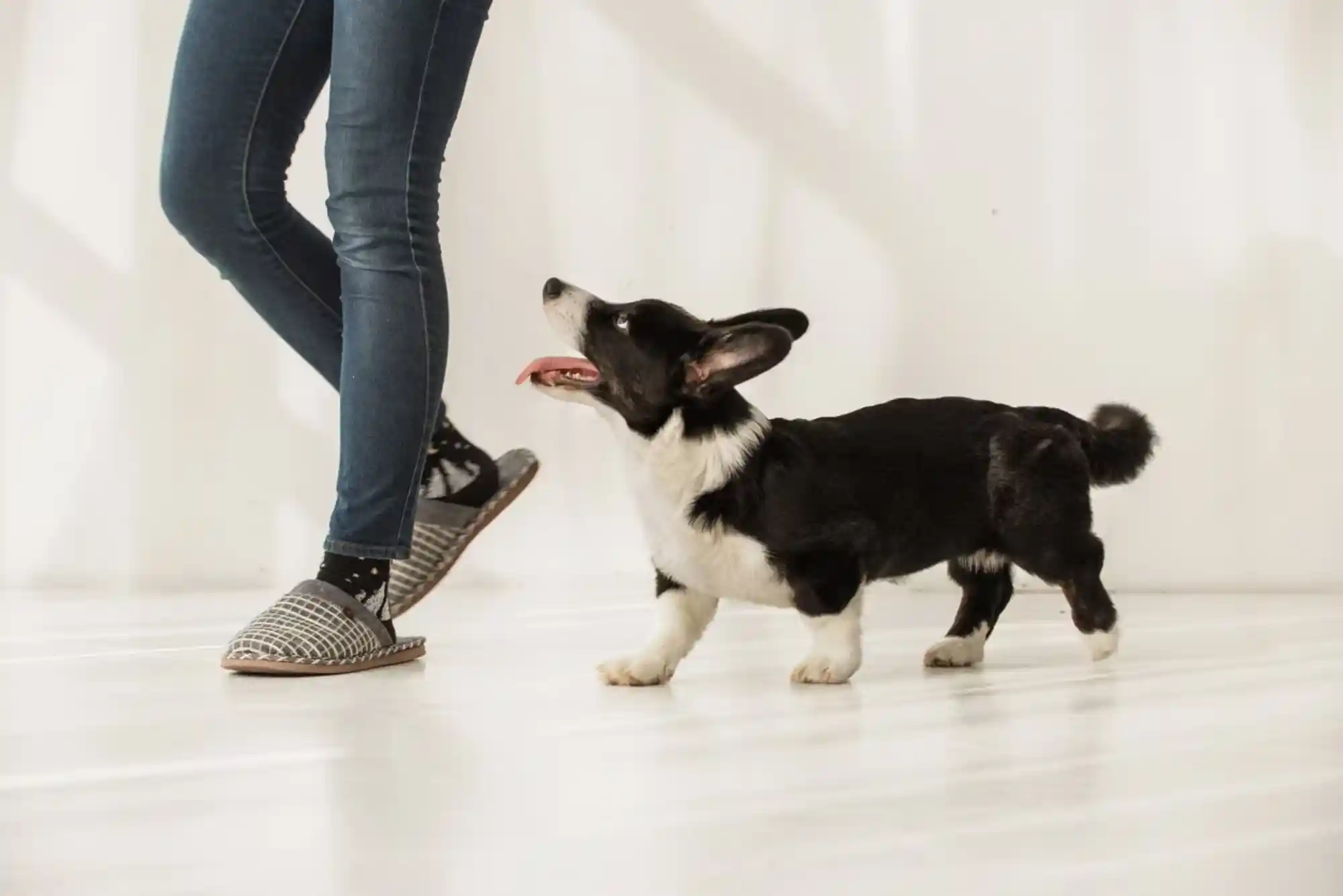
Many owners share their homes with affectionate pups who simply love physical closeness. These loyal companions earn the affectionate title of velcro dogs because they stick to you like fabric fasteners. Canine history explains a lot about this trait. Humans selectively bred many dog breeds to work closely alongside people. Herding dogs, companion breeds, and sporting dogs naturally developed a strong drive to monitor their owners. When your dog follows you from the couch to the bedroom, they might just be displaying normal, healthy social bonding. They enjoy your company, love your scent, and want to be part of whatever activity you are starting next. Unlike anxious dogs, velcro dogs usually remain calm when you leave the room. They might get up to follow you, but they do not panic, vocalize, or destroy items while you are gone. Their attachment is built on love and companionship rather than fear or distress.
Decoding True Separation Anxiety
While a velcro dog follows you out of affection, separation anxiety stems from genuine panic. Dogs with separation anxiety experience extreme distress when left alone or even when separated from their favorite human inside the house. This condition goes far beyond mild sadness or boredom. Affected dogs view isolation as a literal emergency. The signs of separation anxiety are distinct and often distressing for both the pet and the owner. You might notice excessive howling, barking, or whining the moment you step out the door. Some anxious dogs resort to destructive behaviors like scratching doors, chewing furniture, or trying to escape crates. House-soiling is another frequent symptom, even in fully potty-trained adult dogs. Salivation, panting, and frantic pacing before you even leave signal anticipatory panic. Recognizing these red flags helps you separate a harmless shadow from a dog in genuine psychological distress.
Key Differences Between Velcro Dogs and Anxious Pups
Telling the difference between a harmless shadow and a stressed pet requires careful observation of their daily body language. A true velcro dog remains relaxed even when you close a door between you. They might lie down outside the bathroom door and wait patiently for you to emerge. On the other hand, a dog with separation anxiety will display clear panic symptoms. They might scratch violently at the closed door, pant heavily, or whine continuously. Body language tells a huge story in these moments. Relaxed ears, a soft tail wag, and a calm posture indicate a happy velcro companion. Stiff muscles, dilated pupils, tucked tails, and trembling reveal deep anxiety and fear. Paying attention to these subtle physical cues allows you to assess your dog’s emotional state accurately. You can then tailor your approach to ensure their mental well-being and happiness.
Practical Steps to Help Your Velcro Dog
If your pup is simply a velcro dog without deep anxiety, you can gently encourage a bit more independence. Start by rewarding calm behavior when your dog stays on their bed instead of following your every move. Use interactive puzzle toys or long-lasting chews to keep them occupied in another room. Practice short intervals of separation inside the house to build their confidence. Teach solid obedience commands like place or stay to give them a clear job when you need space. Gradually increasing the distance between you helps your dog realize that being apart is completely safe and normal. Consistency is key when reshaping these daily habits. Over time, your dog will learn to relax independently without needing to monitor your location every single second of the day.
Managing and Treating Separation Anxiety
Treating true separation anxiety requires a much more structured and patient desensitization process. You cannot simply punish an anxious dog, as punishment only increases their underlying fear. Instead, you must work on creating positive associations with your absence. Begin by desensitizing your dog to your departure cues like picking up keys or putting on shoes. Practice leaving for just a few seconds and returning before panic sets in. Gradually increase the duration of your absences over weeks or months. Consulting a professional animal behaviorist or veterinarian can also provide personalized training plans. In severe cases, veterinary professionals may recommend temporary anti-anxiety medications to lower baseline stress. This chemical support helps your dog actually learn new coping mechanisms during behavior modification training.
Frequently Asked Questions
Why does my dog follow me to the bathroom every time?
Dogs are social animals driven by pack instincts and curiosity. Following you into the bathroom is simply an extension of their desire to stay close to their primary caregiver and monitor your safety.

Is it normal for a puppy to be a velcro dog?
Puppies naturally stick close to their mothers and littermates for survival. As they grow into confident adults, most puppies learn to tolerate short periods of independence with proper socialization.
Can separation anxiety develop suddenly in older dogs?
Yes, sudden separation anxiety in senior dogs is often linked to cognitive decline, failing eyesight, hearing loss, or underlying medical pain. A thorough veterinary checkup is essential if this behavior starts abruptly.
How can I tell if my dog is bored or anxious when I leave?
Bored dogs usually explore and chew items casually when left alone. Anxious dogs display frantic panic behaviors like heavy drooling, continuous howling, and frantic scratching focused specifically around exit points.
Conclusion
Navigating life with a dog who sticks to your side requires patience and keen observation. Whether you are dealing with a loving velcro dog or a pet facing separation anxiety, understanding their unique emotional needs is the first step toward a harmonious home. By building their confidence and seeking professional guidance when necessary, you can help your furry companion feel secure both by your side and on their own. Take a moment today to evaluate your dog’s subtle body language cues. Start implementing gentle independence-building exercises to ensure a happier, more balanced relationship for both of you.